Wondering whether your Hampton Bays home is really ready to hit the market? In a place where buyer expectations can be high and market conditions can shift, small details often have a big impact. If you want to list with less stress and more clarity, the right preparation can help you present your home well, avoid last-minute surprises, and make smarter pricing decisions. Let’s dive in.
Why preparation matters in Hampton Bays
Hampton Bays is part of the Town of Southampton, and recent market snapshots show a mixed picture. Depending on the source and time period, home values have been around the mid-$900,000s, with homes taking roughly 64 to 92 days to go pending or sell.
That matters because it points to one simple truth: you cannot count on a fast sale just because of the location. Some reports have described Hampton Bays as somewhat competitive, while others have called it a buyer’s market. The takeaway is that pricing and presentation both matter.
Suffolk County overall looked more balanced in March 2026, with homes selling for about asking on average and a median 53 days on market. For you as a seller, that means it is smart to focus on being market-ready, not just calendar-ready.
Start with the rooms buyers notice most
If you are deciding where to put your time first, focus on the spaces buyers tend to remember. According to the National Association of REALTORS® 2025 staging survey, the living room was ranked as the most important room to stage, followed by the primary bedroom and kitchen.
That does not mean every room needs a makeover. It means the most visible spaces should feel clean, open, and easy for buyers to picture themselves in.
Prioritize these three spaces first
Living room
Your living room often sets the tone for the whole showing. Remove extra furniture, personal items, and anything that makes the space feel crowded.
Keep décor simple and leave enough open space for clear walking paths. A room that feels calm in person usually photographs better too.
Primary bedroom
Buyers tend to respond well to a bedroom that feels restful and uncluttered. Clear off dressers and nightstands, reduce extra linens or décor, and make the room feel as spacious as possible.
If the closet is full, edit it before photos and showings. Storage always gets attention.
Kitchen
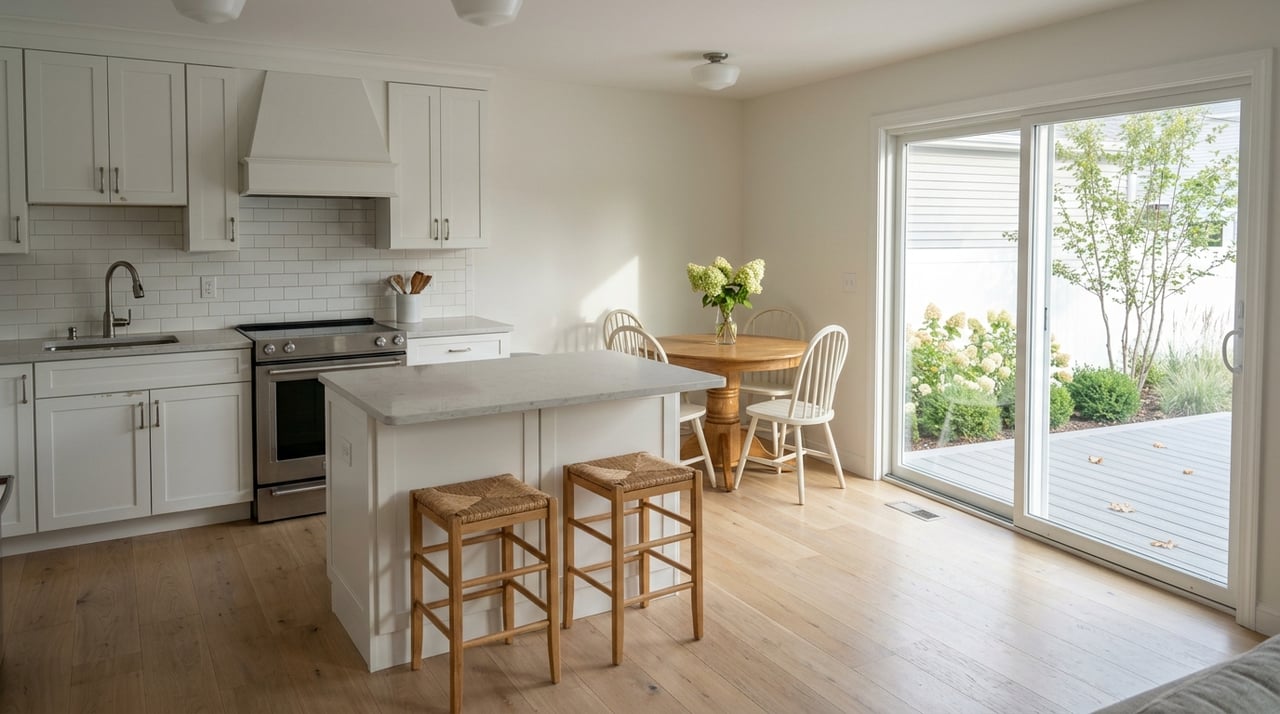
The kitchen does not need to be brand new to make a strong impression. What matters most is that it looks clean, functional, and cared for.
Clear counters, store small appliances, and remove magnets, notes, or paper clutter from the refrigerator. If there are visible maintenance issues, this is one of the first places to address them.
Make your home photo-ready early
Many buyers now screen homes online before they ever schedule a tour. The same NAR survey found that photos, videos, virtual tours, and traditional staging all play an important role in how buyers evaluate a property.
The report also noted that buyers often expected to view a median of 20 homes virtually and eight in person. That means your online presentation may decide whether someone even makes it to your front door.
Try to have your home photo-ready before your first listing meeting or before final marketing is scheduled. If your space looks polished from day one, you can move more smoothly into professional photography and showings.
Declutter before you decorate
You do not need a full redesign to improve how your home shows. In fact, a budget-friendly approach is often the smartest one.
NAR reported a median spend of $1,500 when sellers used a staging service, compared with a median of $500 for agent-led staging. That supports a practical strategy: start by removing distractions and fixing visible issues before spending on larger styling changes.
A simple decluttering checklist
- Remove excess furniture that makes rooms feel smaller
- Pack away personal photos and highly specific décor
- Clear kitchen and bathroom counters
- Organize closets, shelves, and entry areas
- Store pet items, cords, and everyday visual clutter
- Clean windows and surfaces that show in photos
This kind of prep can go a long way because it helps buyers focus on the home itself, not your belongings.
Fix visible issues buyers will notice
Before listing, look at your home the way a buyer would. Scuffed paint, loose hardware, dripping faucets, damaged screens, and worn caulk may seem minor, but they can create a sense that maintenance has been deferred.
The goal is not to renovate everything. The goal is to remove obvious distractions so buyers can focus on the home’s value and potential.
Research also supports a practical message here. Some sellers’ agents report that decluttering and fixing property faults are often more important than full staging.
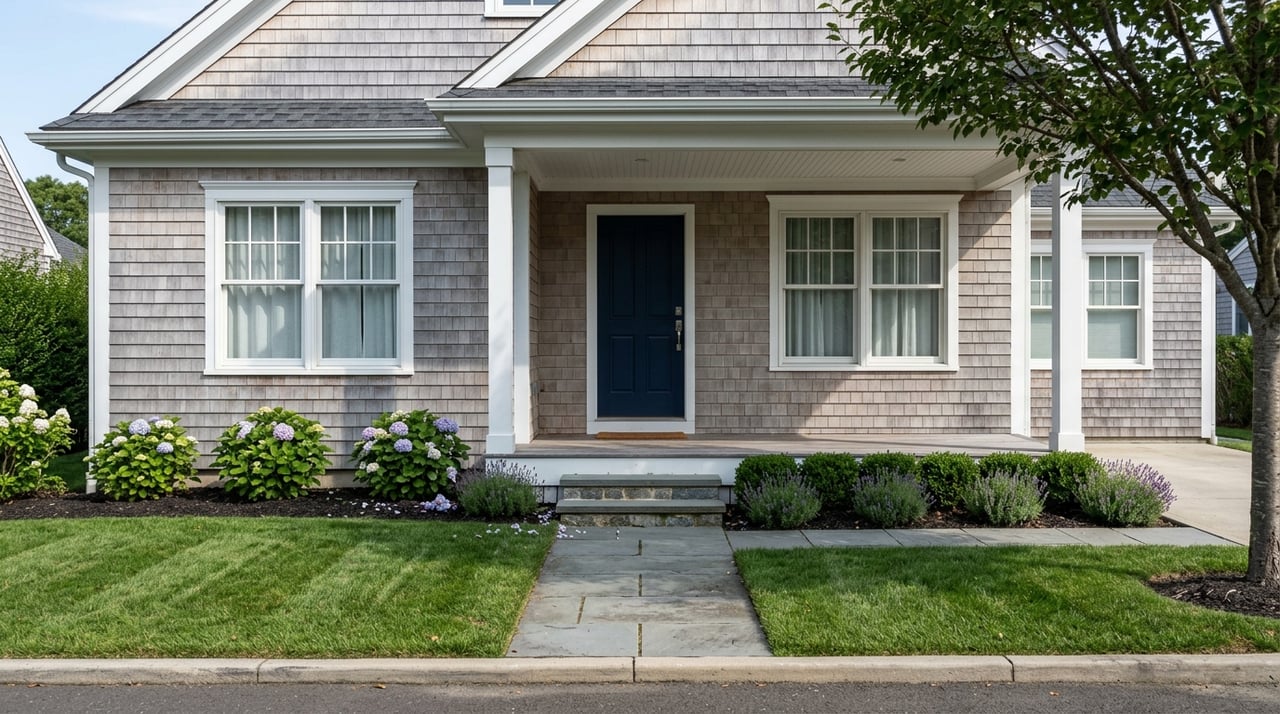
Focus on curb appeal first
First impressions start before a buyer opens the front door. NAR’s 2025 outdoor features report found that 92% of REALTORS® have suggested curb appeal improvements before listing, and 97% believe curb appeal is important to attracting a buyer.
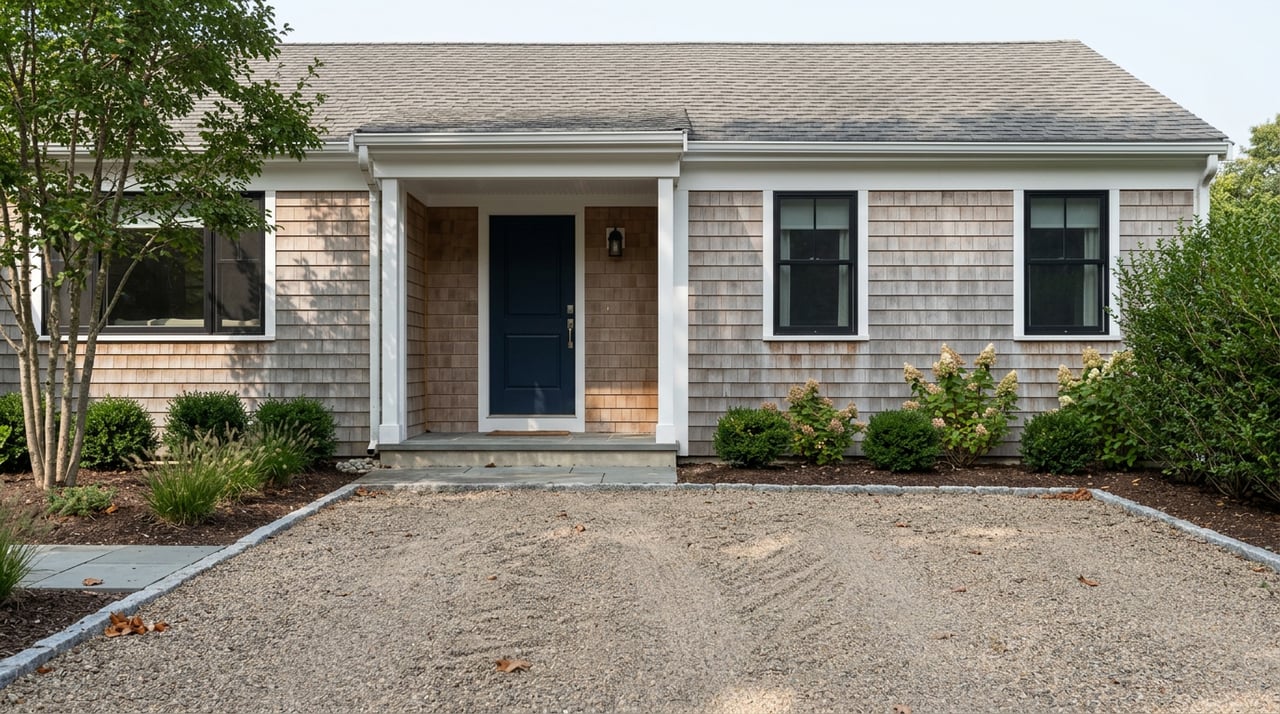
For Hampton Bays sellers, that makes exterior presentation one of the smartest places to spend effort. You want the home to feel cared for the moment someone pulls up.
Easy curb appeal improvements
- Mow the lawn and trim overgrown landscaping
- Clear leaves, branches, and yard clutter
- Clean the front door and entry area
- Touch up peeling paint where appropriate
- Make sure house numbers are visible
- Remove worn outdoor furniture or broken planters
These are usually lower-disruption updates, but they can shape the entire showing experience.
Know when repairs may need permits
If you plan to do more than basic cosmetic work, pause before starting. Southampton’s Building and Zoning Division oversees building permits, certificates of occupancy and compliance, and related approvals.
Town code states that a building permit is required for construction, enlargement, alteration, improvement, conversion, or change in occupancy. Ordinary non-structural repairs do not require a permit, but electrical and plumbing work do require permits.
That distinction is important when you are trying to get ready quickly. A simple repair may be fine, while a larger project could require local review.
If your property may have special review requirements
If your property is a landmark or located in a historic district, exterior changes may require a Certificate of Appropriateness before work begins. That can include changes to materials, colors, or outward appearance.
If you are thinking about updating trim, siding, windows, fences, or other exterior details before listing, it is wise to confirm requirements first.
Gather documents before you list
Getting your paperwork organized can save time and reduce stress later. Beginning July 1, 2025, New York’s Property Condition Disclosure Statement became required.
The state form makes clear that the disclosure is based on your actual knowledge, is not a warranty, and is not a substitute for inspections. For you, that means it helps to start gathering information early rather than scrambling once your home is already on the market.
Documents to pull together
- Property Condition Disclosure Statement information
- Records of past repairs or improvements
- Permit paperwork, if applicable
- Certificates of occupancy or compliance, if applicable
- Utility or system service records that may help answer questions
Being organized supports a smoother conversation with your agent and helps you prepare for buyer questions.
Check septic, cesspool, and wastewater details
If your Hampton Bays property uses a septic system or cesspool, do not leave that for later. Suffolk County Department of Health Services oversees wastewater management and may require approval for certain home modifications or expansions.
Even if no new work is planned, it is helpful to know what type of system you have, when it was last serviced, and whether you have records available. Buyers may ask, and having that information ready can make your listing process feel more straightforward.
Verify flood-related information if it applies
For coastal or low-lying properties, flood information can be an important part of seller preparation. FEMA’s Flood Map Service Center is the official source for flood hazard map products and related information.
If your property is near water, has carried flood insurance, or may be in a mapped flood area, organize any flood-related records before listing. That way, you are better prepared for common questions during the sale process.
Price and timing should work together
There is no single perfect day to list a home in Hampton Bays. The research points more clearly to readiness, local inventory, and current conditions than to any one magic date.
With recent market snapshots showing mid-$900,000 values, sale-to-list ratios around 97% to approximately asking depending on the source, and market times ranging from about 64 to 92 days, your pricing strategy should match your home’s condition and the current competition. A polished presentation can support your price, but it should go hand in hand with realistic positioning.
A smart pre-listing plan
If you want to keep things simple, start here:
- Declutter the living room, primary bedroom, and kitchen first
- Fix visible faults that buyers are likely to notice
- Clean up exterior areas and improve curb appeal
- Confirm whether any planned repair work needs permits
- Gather disclosures, repair records, and property documents
- Organize septic or flood-related information if applicable
- Review pricing and timing based on current Hampton Bays conditions
This kind of plan helps you move forward with more confidence and fewer surprises.
When you prepare your home with intention, you give yourself a stronger starting point for the entire sale. If you are thinking about listing in Hampton Bays and want practical guidance on value, timing, and next steps, Sophia Walker - NY can help you get a free home valuation and create a plan that fits your goals.
FAQs
What rooms matter most when preparing a Hampton Bays home to sell?
- The living room, primary bedroom, and kitchen are the top priorities because buyers’ agents most often rank those rooms as the most important to stage and present well.
Do you need to stage every room before listing a Hampton Bays home?
- No. The strongest evidence supports focusing on the rooms buyers notice first, along with decluttering and fixing visible issues throughout the home.
Do small repairs on a Southampton property need permits before listing?
- Not always. Ordinary non-structural repairs generally do not require a permit, but larger improvements, as well as electrical and plumbing work, do require review by Southampton’s Building and Zoning Division.
What documents should you gather before listing a home in Hampton Bays?
- Start with information for the New York Property Condition Disclosure Statement, plus repair history, permit records, and any certificates or system records that apply to your property.
What should Hampton Bays sellers know about septic or flood information?
- If your property has a septic or cesspool system, or if it is near water or in a flood-related area, it helps to gather maintenance records and relevant property information before listing.